Orlando Neighborhoods: Walkability, Nightlife, and Commute Considerations
What to know about Orlando neighborhoods when proximity to dining, entertainment, and short commutes matter most.
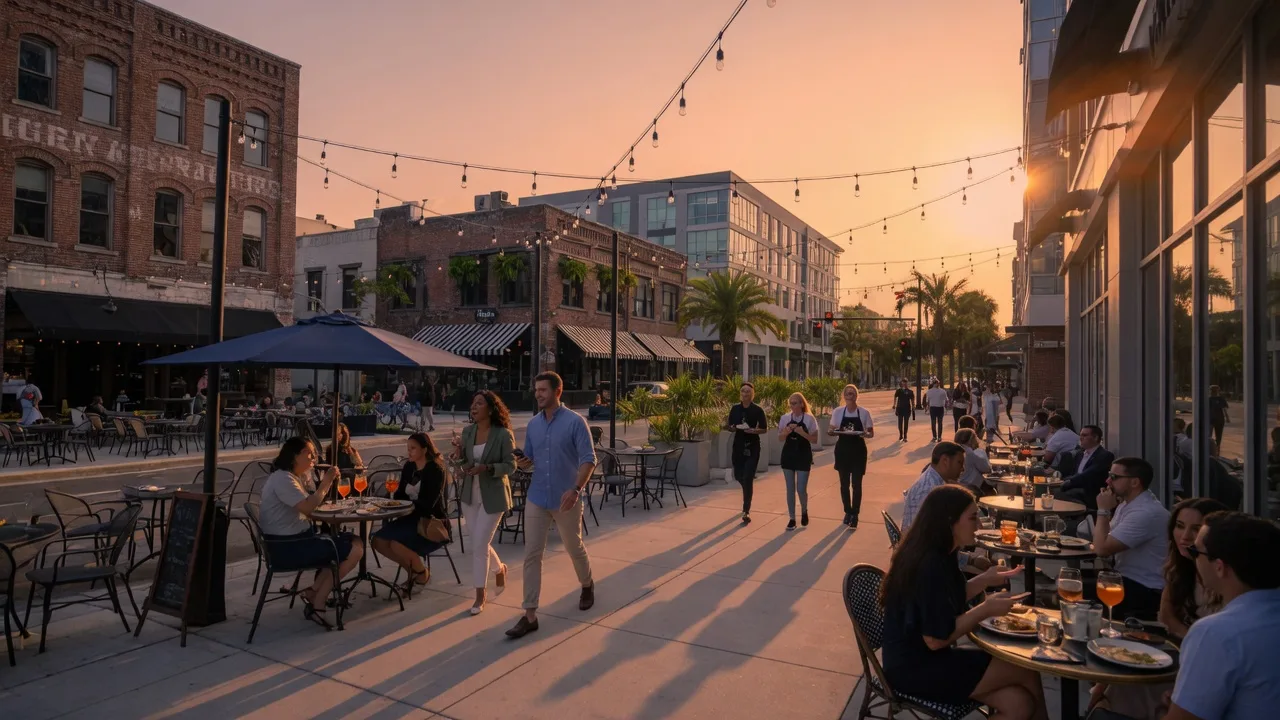
Orlando's neighborhoods vary significantly in walkability, nightlife, and commuting convenience. For professionals who prioritize being close to restaurants, bars, entertainment, and a short drive or walk to work, the city's core neighborhoods and select suburban town centers offer different tradeoffs. This guide describes the character, housing costs, and lifestyle factors of the most popular areas for young professionals. It does not rank neighborhoods or declare any area the "best."
Downtown Orlando
Walkability: High | Median Sale Price: ~$285K-$390K | Typical Rental (1BR): $1,600-$2,200
Downtown Orlando is the urban core of the metro area. It has the highest concentration of high-rise apartments and condos, a walkable grid of streets, and direct access to dining, nightlife, and cultural venues. The central business district is active during weekdays, while the Church Street District and Wall Street Plaza areas draw crowds on weekends.
Walkability and transit. Downtown is the most walkable part of the Orlando metro. Most daily errands can be done on foot in the core blocks between Orange Avenue and Rosalind Avenue. SunRail commuter rail has a downtown station with connections to Winter Park, Maitland, and as far north as DeLand. LYNX bus routes converge downtown. However, a car is still useful for grocery shopping and trips outside the core area.
Dining and nightlife. Restaurants range from quick-service lunch spots to upscale dinner destinations on Orange Avenue. The Church Street District offers bars, clubs, and live music venues. Wall Street Plaza is a pedestrian alley with several bars and outdoor seating. The Amway Center hosts concerts and Orlando Magic games. The Dr. Phillips Center for the Performing Arts brings Broadway shows, concerts, and theater.
Arts and culture. The CityArts Factory, the Orlando Museum of Art, and the Mennello Museum are within or near downtown. Third Thursday events and gallery walks occur monthly. The area also hosts festivals such as the Orlando Film Festival and the Fringe Festival.
Commute. For professionals working downtown, the commute is a short walk or bike ride. For those working elsewhere, downtown provides access to I-4, SR 408, and SR 417. Commute times to the attractions corridor are 15 to 20 minutes, to the UCF area 20 to 30 minutes, and to Lake Mary 25 to 35 minutes.
Housing. The housing stock is primarily condos and apartments in high-rise and mid-rise buildings. Single-family homes are rare and concentrated in a few historic blocks. Prices vary significantly by building age, amenities, and view. Rental demand is high, and lease terms often run 12 months.
Thornton Park
Walkability: High | Median Home Price: ~$655,000 | Typical Rental (1BR): $1,700-$2,400
Thornton Park is a historic neighborhood adjacent to downtown Orlando, characterized by brick streets, vintage streetlamps, and a mix of restored bungalows and new infill homes. The neighborhood's main commercial corridor on Summerlin Avenue and Central Boulevard offers a walkable collection of restaurants, cafes, bars, and boutiques. Washington Street is a popular dining and drinking strip.
Walkability. Thornton Park is one of the most walkable neighborhoods in Orlando. Residents can walk to Lake Eola Park, downtown Orlando, and the neighborhood's own restaurants and shops. A walk score in the 80s (very walkable) is typical for the area. Biking to downtown takes about five minutes.
Dining and nightlife. Several well-known local restaurants and bars are concentrated in Thornton Park, including options for brunch, dinner, and late-night drinks. The neighborhood has a quieter, more refined nightlife scene compared to the Church Street District, with an emphasis on wine bars, gastropubs, and patio dining.
Commute. Downtown Orlando is a 5 to 10 minute walk or a 2 minute drive. I-4 access is about 5 minutes. The neighborhood is well-positioned for reverse commutes to suburban employment centers.
Housing. The area has a mix of historic single-family homes, townhomes, condos, and a few apartment buildings. Many of the older homes have been renovated. New townhome and condo developments continue to be built on infill lots. This is one of the most expensive neighborhoods close to downtown Orlando.
Milk District
Walkability: Moderate to High | Median Home Price: ~$500,000 | Typical Rental (1BR): $1,400-$1,800
The Milk District is a modest, unpretentious neighborhood east of downtown Orlando. It has a developing arts and food scene centered around the intersection of Robinson Street and Bumby Avenue. The district is named for the former milk plant in the area and has retained an industrial-artsy character. It attracts professionals who want access to downtown without paying downtown or Thornton Park prices.
Walkability. The commercial core along Robinson Street and Bumby Avenue is walkable, with restaurants, a brewery, coffee shops, and a food truck lot within a few blocks. Most residential streets are bikeable to downtown. A car is still useful for grocery shopping and destinations outside the core.
Dining and nightlife. The Milk District is known for its food truck scene, craft beer bars, and casual eateries. The area has several breweries and taprooms within walking distance. It is less polished than Thornton Park and more DIY in character. The neighborhood hosts regular events including a monthly food truck rally and live music at local venues.
Arts and culture. The district has a growing creative community, with artist studios, a community theater, and rotating art shows at local coffee shops and bars. The area is part of Orlando's emerging independent arts corridor.
Commute. Downtown Orlando is 5 to 10 minutes by car or 15 minutes by bike. I-4 and SR 408 access are both within a few minutes. The neighborhood is well-situated for commutes to downtown, Winter Park, and the UCF area.
Housing. A mix of older single-family homes, duplexes, and small apartment buildings. Most homes date from the 1940s through 1960s. The area has seen significant renovation and infill. Prices are lower than downtown and Thornton Park but have been rising steadily.
Baldwin Park
Walkability: High | Median Home Price: ~$675,000 | Typical Rental (1BR): $1,600-$2,100
Baldwin Park is a master-planned community built on the site of the former Naval Training Center. Its design prioritizes walkability, with wide sidewalks, street trees, and a mixed-use village center. The community appeals to professionals who want a planned neighborhood with amenities within walking distance but still close to downtown Orlando.
Walkability. The village center with a grocery store, restaurants, coffee shops, and a pharmacy is within walking distance of most homes. The community has an extensive network of sidewalks and paths. Lake Baldwin, with its walking trail and dog park, is a central gathering point. Walk scores in Baldwin Park typically range from 70 to 85.
Dining and nightlife. The village center has several restaurants and bars, but the overall atmosphere is more relaxed and community-oriented than downtown. For a bigger nightlife scene, downtown Orlando and Thornton Park are 5 to 10 minutes away. Baldwin Park works well for professionals who prefer a quieter evening but want quick access to the city.
Commute. Downtown Orlando is 10 minutes. Winter Park is 10 minutes. The community sits near SR 408 and SR 436, providing access to most parts of the metro. The bicycle commute to downtown takes about 15 to 20 minutes via the Cady Way Trail.
Housing. A mix of single-family homes, townhomes, and condos. Most homes were built between 2000 and 2010. Architectural styles are consistent and HOAs manage common areas and landscaping. The community has a strong resale market.
College Park
Walkability: High | Median Home Price: ~$650,000 | Typical Rental (1BR): $1,500-$2,000
College Park is an older, established neighborhood just north of downtown. Its commercial spine along Edgewater Drive features an eclectic mix of local restaurants, coffee shops, retail, and a weekly farmers market. The neighborhood has a strong community identity and is popular with professionals who want an established, walkable neighborhood with character.
Walkability. The Edgewater Drive commercial corridor is highly walkable, with restaurants, a bookstore, a bakery, a wine bar, and several other local businesses. The surrounding residential streets have sidewalks and are pleasant for walking. Lake Adair and Lake Ivanhoe provide waterfront walking routes. Walk scores in College Park typically range from 65 to 80 depending on proximity to Edgewater Drive.
Dining and nightlife. College Park's dining scene is centered on local, independent restaurants rather than chains or clubs. Options range from casual cafes to upscale dining. The nightlife is quieter than downtown, with neighborhood bars and wine bars rather than large clubs. Professionals who want a lively weekend scene can reach downtown Orlando in 5 to 10 minutes.
Commute. Downtown Orlando is 5 to 10 minutes. Winter Park is 5 to 10 minutes. I-4 access is about 5 minutes. College Park is well-positioned for commutes to central Orange County.
Housing. Predominantly historic bungalows and mid-century ranch homes, with increasing infill construction of larger homes. Lot sizes are generally smaller than suburban areas. Homes in College Park attract a premium because of the location and neighborhood character.
Ivanhoe Village
Walkability: Moderate to High | Median Home Price: ~$475,000-$600,000 | Typical Rental (1BR): $1,400-$1,900
Ivanhoe Village is a designated arts and entertainment district along Orange Avenue and Princeton Street just north of downtown. The area is known for its concentration of art galleries, antique shops, vintage stores, and independent restaurants. The Ivanhoe Village Main Street program organizes events and promotes the district's creative character.
Walkability. The commercial corridor along Orange Avenue from Princeton Street to Lake Ivanhoe is walkable, with galleries, shops, and restaurants within a few blocks. Residential streets to the east and west are bikeable to downtown. Walk scores vary depending on proximity to Orange Avenue.
Dining and nightlife. Ivanhoe Village has a growing food and drink scene, with breweries, wine bars, craft cocktail spots, and a range of independent restaurants. The area also has live music venues and art openings. The nightlife is more mature and arts-focused than the club scene downtown.
Arts and culture. Ivanhoe Village is home to several art galleries, antique malls, vintage clothing stores, and specialty shops. The area hosts First Thursday art walks, gallery openings, and seasonal events. The nearby Loch Haven Park cultural district adds the Orlando Science Center and Orlando Museum of Art.
Commute. Downtown Orlando is 5 to 10 minutes. College Park is adjacent to the south. I-4 access is about 5 minutes. The neighborhood is convenient for downtown and central Orange County employment.
Housing. A mix of older single-family homes, duplexes, and small apartment buildings. Some new townhome developments have been built on infill lots. Housing is generally more affordable than College Park or Thornton Park, reflecting the area's earlier stage of gentrification.
Winter Park
Walkability: High in downtown/West End area | Median Home Price: ~$510,000 | Typical Rental (1BR): $1,500-$2,200
Winter Park's downtown Park Avenue district is one of the most walkable and upscale commercial areas in the Orlando metro. The area around Park Avenue offers boutique shopping, fine dining, museums, and a commuter rail station. While much of Winter Park is suburban, the walkable core near Park Avenue and the West End attracts professionals who want a high-quality urban environment without living downtown.
Walkability. Park Avenue from Morse Boulevard to Canton Avenue is extremely walkable, with shops, restaurants, and cultural venues. The Winter Park SunRail station connects to downtown Orlando and the I-4 corridor. Biking is common on the neighborhood's brick-paved residential streets. Walk scores in the Park Avenue area range from 80 to 95.
Dining and nightlife. Park Avenue offers some of the best dining in Central Florida, ranging from casual cafes to James Beard-recognized restaurants. The area has wine bars, cocktail lounges, and a few live music venues. The scene is more sophisticated and quieter than downtown Orlando. The Winter Park Sidewalk Art Festival and seasonal events draw large crowds.
Arts and culture. Winter Park is home to the Morse Museum (which houses the largest collection of Louis Comfort Tiffany glass), the Charles Hosmer Morse Museum, Rollins College, and the Annie Russell Theatre. The area also has several art galleries and cultural events throughout the year.
Commute. Downtown Orlando is 15 to 20 minutes by car or 25 minutes via SunRail. The I-4 and SR 408 corridors provide access to most employment centers. Lake Mary and Maitland employment areas are 10 to 15 minutes north.
Housing. The Park Avenue area has condos and apartments above retail, with single-family homes in the surrounding historic districts. Prices near Park Avenue are significantly higher than the Winter Park median. Rental options are limited in the immediate downtown area.
Comparison: Neighborhoods for Young Professionals
All prices are estimated medians from mid-2026 data. Walkability is a general assessment of the walkable core of each neighborhood. Commute times are approximate and depend on traffic, route, and exact location.
| Neighborhood | Walkability | Median Price | Typical Rent (1BR) | To Downtown | Nightlife/Scene |
|---|---|---|---|---|---|
| Downtown Orlando | High | ~$285K-$390K | $1,600-$2,200 | Walk/bike | Clubs, bars, concerts, performing arts |
| Thornton Park | High | ~$655K | $1,700-$2,400 | 5-10 min walk | Restaurants, wine bars, gastropubs |
| Milk District | Moderate-High | ~$500K | $1,400-$1,800 | 5-10 min drive | Food trucks, breweries, casual |
| Baldwin Park | High | ~$675K | $1,600-$2,100 | ~10 min drive | Relaxed, village center, close to downtown |
| College Park | High | ~$650K | $1,500-$2,000 | 5-10 min drive | Local restaurants, wine bars, quiet |
| Ivanhoe Village | Moderate-High | ~$475K-$600K | $1,400-$1,900 | 5-10 min drive | Breweries, galleries, artsy |
| Winter Park (Park Ave) | Very High (core) | ~$510K+ | $1,500-$2,200 | 15-20 min drive | Upscale dining, wine bars, cultural venues |
Prices are mid-2026 estimates. Walkability assessments based on the walkable core of each neighborhood. Rental prices are approximate and vary by building age and amenities.
Frequently Asked Questions
What is the most walkable neighborhood in Orlando?
Downtown Orlando and the Park Avenue district of Winter Park are the most walkable areas in the metro. Within downtown, the blocks between Orange Avenue and Rosalind Avenue offer the highest concentration of services within walking distance. Thornton Park and College Park also have walkable commercial corridors and are popular with professionals who want to live without relying on a car for every errand.
Is it cheaper to rent or buy in Orlando's walkable neighborhoods?
Currently, renting can be slightly cheaper on a month-to-month basis in most walkable neighborhoods due to elevated mortgage rates and insurance premiums. However, buying locks in your housing costs and offers long-term equity benefits, particularly in established neighborhoods where values have historically appreciated. For short-term stays of under three to five years, renting is often the more practical choice.
What is the commute like from these neighborhoods to major employers?
Downtown Orlando, Thornton Park, and College Park offer the shortest commutes to the central business district, typically 5 to 15 minutes. For employment hubs like Lake Mary, the UCF area, the attractions corridor, and the Medical City at Lake Nona, commuting from walkable core neighborhoods generally takes 20 to 40 minutes depending on traffic and toll road use. Suburban town centers like Winter Park's Park Avenue area are better positioned for commutes to north Orlando and Seminole County.
Is public transit useful in these neighborhoods?
SunRail commuter rail serves Winter Park and downtown Orlando, with connections to Maitland, Lake Mary, and Sanford. LYNX bus service operates throughout the metro but is best suited for commutes to the downtown core. For most professionals, a car remains necessary for weekend travel, grocery shopping, and trips outside the immediate neighborhood. Bike infrastructure is best in downtown, Thornton Park, Baldwin Park, and Winter Park.
Which neighborhoods have the best access to dining and nightlife?
Downtown Orlando and Thornton Park have the largest concentration of restaurants, bars, clubs, and live music venues within walking distance. Winter Park's Park Avenue area offers an upscale dining scene with wine bars and cultural venues. College Park, Ivanhoe Village, and the Milk District offer more local, independent options with less of a club scene. The right choice depends on whether you prefer a lively club atmosphere or a quieter neighborhood bar and restaurant scene.

Written by Tyler Gibson, Realtor, Investor, Team Leader, GPG | LPT Realty, FL License #3454664. Moved to Orlando in 2013. Se habla espanol.
Planning a Move to Orlando?
A relocation consultation covers neighborhoods, housing options, commute patterns, and everything that goes into your move.
Book a Relocation ConsultationRelated Resources
Places to Live
Explore communities across five counties with detailed housing, amenities, and commute information.
Cost of Living
Taxes, housing, insurance, utilities, and everyday expenses in Orlando.
Neighborhoods Near Disney World
What to know about living close to Walt Disney World: drive times, housing costs, schools, and daily life.
Affordable Neighborhoods
Lower-cost areas in the Orlando metro with details on commute times, amenities, and what to expect.
Moving to Orlando Guide
Counties, geography, housing types, and everything you need to know before relocating.
Lifestyle
Lake living, golf communities, Disney-area life, and daily life in Central Florida.