Quick Facts
- County
- Orange
- Entity type
- Incorporated city
- Major roads
- US 17-92, SR 434, I-4 (nearby)
- Housing types
- Single-family homes, condos, townhomes
- Lake access
- Lake Osceola, Lake Virginia, Lake Maitland (connected chain)
- Golf
- Winter Park Golf Course (municipal), Rio Pinar Country Club nearby
- New construction
- Limited; primarily infill and renovation
- Walkability
- High in downtown/Park Avenue area
Winter Park Map
What Living in Winter Park Is Like
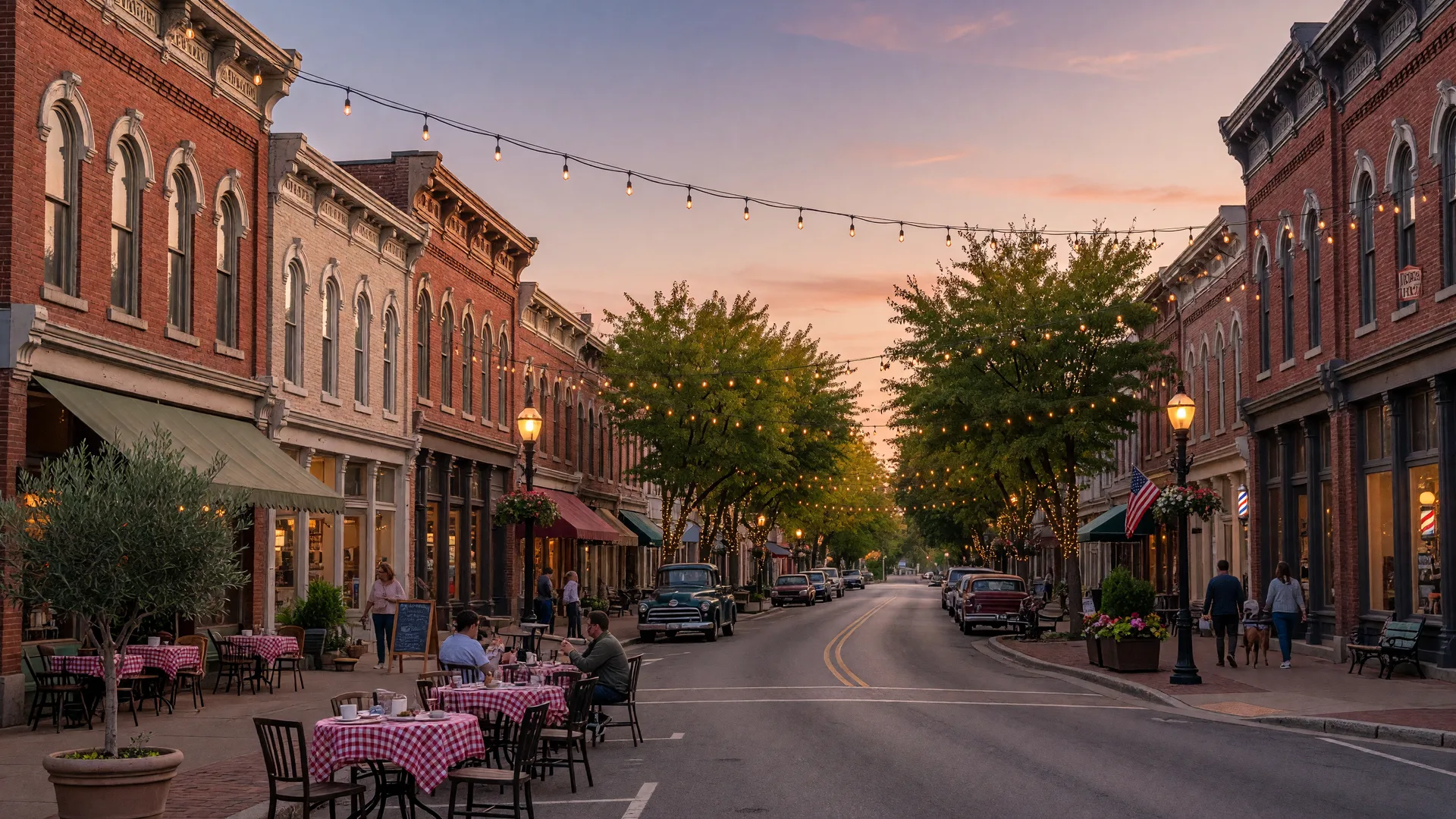
Winter Park has a distinctly different feel from the rest of the Orlando metro. The city is known for its walkable downtown along Park Avenue, its tree-canopied residential streets, and its cultural institutions including the Charles Hosmer Morse Museum of American Art (home to the world's largest collection of Louis Comfort Tiffany glass) and Rollins College.
The city was originally developed as a winter resort destination in the late 1800s, and that heritage is still visible in its architecture, street layout, and overall character. Many residential streets are lined with mature oak trees draped in Spanish moss, and the older homes range from 1920s-era bungalows to mid-century ranches and custom-built estates.
Winter Park attracts buyers who want walkable access to shops, restaurants, and cultural amenities without needing a car for every errand. The Park Avenue district offers boutique shopping, restaurants, and cafes within a compact, pedestrian-friendly area. Hannibal Square, a historically Black neighborhood adjacent to downtown, has its own collection of restaurants and shops.
Housing in Winter Park
Winter Park's housing market is among the higher-priced in the Orlando area. The city's established neighborhoods, walkable downtown, and proximity to Rollins College drive demand. Housing types include:
- Historic homes: Bungalows, craftsman homes, and Mediterranean revival properties from the 1920s through 1960s, many in designated historic districts.
- Mid-century and ranch homes: Single-family homes from the 1960s through 1980s on established lots.
- Custom estates: Larger homes on bigger lots in neighborhoods closer to the lakes.
- Condos and townhomes: Available along major corridors and near the downtown area.
New construction within Winter Park is limited due to the city's established development patterns. New development tends to be infill construction, tear-down-and-rebuild projects, or mixed-use developments near the downtown area.
Downtown Winter Park
The Park Avenue district is the centerpiece of Winter Park's downtown. It runs roughly north-south between Fairbanks Avenue and Canton Avenue, with shops, restaurants, galleries, and cafes along both sides of a tree-lined street. The area is walkable, with street parking and nearby public lots.
The Winter Park Farmers' Market, held on Saturday mornings at the old train depot, is a popular local institution. The city also hosts events like the Winter Park Art Festival and the Olde Fashioned Christmas on Park Avenue.
Lakes and Waterfront
Winter Park is situated on a chain of connected lakes including Lake Osceola, Lake Virginia, Lake Maitland, and Lake Knowles. The Winter Park Scenic Boat Tour, operating since 1938, takes passengers through these connected lakes and canals, offering a view of lakefront estates and the Rollins College campus along the shore of Lake Virginia.
Lake access varies by property. Some homes are directly on the lakes with private docks, while others are in nearby neighborhoods with proximity to public access points.
Transportation
Winter Park is served by US 17-92 (which runs through downtown as Park Avenue) and SR 434. I-4 is accessible to the south via Fairbanks Avenue. The SunRail commuter train has a Winter Park station, providing weekday rail service to downtown Orlando, Maitland, Longwood, Lake Mary, and Sanford.
Commute times to downtown Orlando from Winter Park are typically 15 to 25 minutes by car. The SunRail station offers an alternative for commuters heading to stops along the rail corridor.
Things to Consider
Higher price points
Winter Park is one of the more expensive communities in the Orlando area. Prices reflect the walkable downtown, established neighborhoods, and overall desirability.
Traffic on Park Avenue
US 17-92 through downtown can be congested, especially during events and peak hours. The downtown area's walkability helps offset this for daily errands.
Older housing stock
Many homes in Winter Park are older and may need roof, HVAC, or other updates. Due diligence on condition is important, particularly for homes built before 1990.
Flood zones
Properties near the lakes may be in FEMA flood zones. Check the flood zone designation for any property you are considering.
Frequently Asked Questions
Is Winter Park part of Orlando?
Winter Park is an incorporated city separate from Orlando. It is adjacent to Orlando and is part of the Greater Orlando metropolitan area, but it has its own city government, police department, and municipal services.
Is Winter Park walkable?
The downtown Park Avenue area is one of the most walkable areas in the Greater Orlando region. The surrounding residential neighborhoods vary in walkability, with some areas suitable for walking to shops and restaurants and others requiring a car.
What are home prices in Winter Park?
Winter Park is one of the higher-priced communities in the Orlando area. Prices vary widely by neighborhood, home type, and proximity to the lakes, with lakefront properties carrying a significant premium. Research the current market for specific price points.
What county is Winter Park in?
Winter Park is in Orange County, Florida, directly adjacent to the City of Orlando.
What schools serve Winter Park?
Winter Park is served by Orange County Public Schools, with Winter Park High School serving much of the city. Verify address-level zoning with the OCPS School Locator, since assignments can change.
Last updated: August 11, 2026. Published by Moving to Orlando Guide with Tyler Gibson.