- County
- Orange
- District type
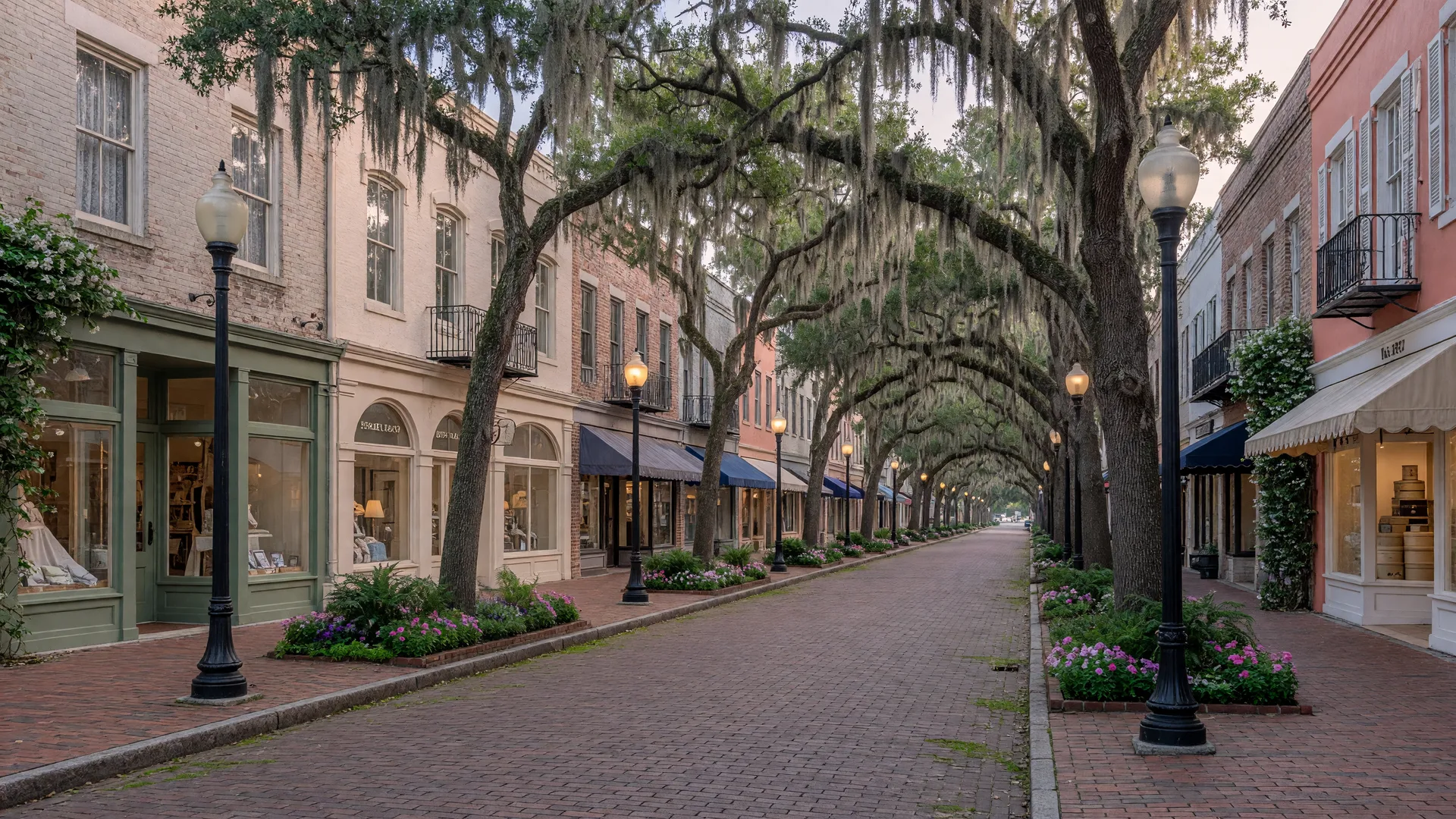
- Walkable downtown shopping street
- Main street
- Park Avenue (US 17-92)
- Signature amenity
- Chain of lakes and scenic boat tours
- Cultural anchor
- Morse Museum of American Art
- Transit
- SunRail Winter Park station
- Housing character
- Established, higher price points
Where Park Avenue Sits
The Story of Park Avenue
Winter Park was founded in 1881, when Loring A. Chase and Oliver E. Chapman bought about 600 acres bordering the lakes for $13,000 and planned a winter resort for wealthy northerners, according to the City of Winter Park's published history. Rollins College, Florida's oldest college, was founded in 1885, and the city was incorporated in 1887. Park Avenue developed as the town's main street: by the 1890s it was lined with a general store, an ice house, a saw mill, a bakery, a watchmaker, a meat and fish market, and a livery stable.
Today the avenue runs roughly north-south between Fairbanks Avenue and Canton Avenue, with boutiques, restaurants, galleries, and cafes along both sides of a tree-lined street. It is one of the most walkable commercial districts in the Greater Orlando region, and its brick sidewalks, park benches, and mature oak canopy give it a distinctly established character compared with newer suburban town centers.
The Chain of Lakes
Winter Park's chain of lakes is a group of six interconnected lakes: Lake Osceola, Lake Virginia, Lake Mizell, Lake Maitland, Lake Minnehaha, and Lake Nina. The lakes are linked by narrow, man-made canals, including the Fern Canal and the Venetian Canal, which were originally built and later deepened in the 1930s to allow boat travel. The chain is a defining feature of the city: many of the neighborhoods around Park Avenue sit between lakes, and the water is visible from several points in the downtown area.
For buyers, the lakes mean waterfront and lake-view homes are part of the local housing mix, and they also mean the downtown has a built-in recreation system: walking paths, parks, and boat access are all within reach of the shopping district. Waterfront property carries its own considerations, including seawalls, docks, and flood and insurance questions, which the Lake Living guide covers in more depth.
The Scenic Boat Tour
The Winter Park Scenic Boat Tour has operated on the chain since January 1, 1938, when Walter C. "Captain Walt" Meloon launched the "Venice of America" tour, according to the tour's official history and the Orlando Sentinel. Still family-owned, it is one of Florida's oldest continuously running tourist attractions and celebrated 85 years in 2023.
The tour departs from its dock on Lake Osceola at 312 E. Morse Blvd. and runs one-hour, narrated cruises through three of the lakes (Osceola, Virginia, and Maitland) and two of the canals aboard 18-passenger pontoon boats. Tours generally leave hourly from about 10 a.m. to 4 p.m. and are closed on Christmas Day. Schedules change seasonally, so confirm current departure times with the operator before you go.
Shopping and Dining on Park Avenue
Park Avenue's retail mix is a blend of independent boutiques, national brands in historic storefronts, art galleries, and specialty food shops, all within a few walkable blocks. Dining options verified as operating as of October 2026 include Briarpatch Restaurant, Prato, Bosphorous Turkish Cuisine, AVA MediterrAegean, The Wine Room on Park Avenue, Boca, Garp & Fuss, and Choulala Fine Pastries, among others. Menus, hours, and ownership change, so check each business directly.
Just west of the avenue, Hannibal Square is a historically Black neighborhood adjacent to downtown with its own collection of restaurants and shops, and the Winter Park Farmers' Market runs on Saturday mornings at the old train depot, a popular local institution. The city also hosts recurring events including the Winter Park Art Festival and the Olde Fashioned Christmas on Park Avenue; dates change year to year, so verify the current schedule with the City of Winter Park.
The Morse Museum of American Art
The Charles Hosmer Morse Museum of American Art, at 445 N. Park Ave., is best known for housing the world's most comprehensive collection of works by Louis Comfort Tiffany, according to the museum's published collection overview. Its holdings span every medium Tiffany explored: art glass, leaded-glass windows, lamps, jewelry, pottery, paintings, mosaics, and archival materials from his studios.
The museum's signature piece is the restored interior of the chapel Tiffany designed for the 1893 World's Columbian Exposition in Chicago. The chapel, which has been on view at the museum since 1999, includes mosaic columns, a marble and white glass mosaic altar, and leaded-glass windows. The museum also holds the largest single repository of architectural elements and objects from Tiffany's Long Island estate, Laurelton Hall, including the restored Daffodil Terrace, plus a major collection of American art pottery and representative late 19th- and early 20th-century American paintings and decorative arts. Check the museum's site for current hours and exhibition information.
Daily Life and Events
Living near Park Avenue means many errands and outings are walkable: groceries, cafes, the farmers market, the museum, and the lakefront are all close. The downtown area is compact, with street parking and nearby public lots, and it fills up on weekends and during events. SunRail's Winter Park station provides weekday commuter rail service to downtown Orlando, Maitland, Longwood, Lake Mary, and Sanford, which makes the district practical for riders who work along the rail corridor.
By car, trips to downtown Orlando typically take about 15 to 25 minutes depending on traffic. US 17-92 runs through downtown as Park Avenue and can be congested during events and peak hours, which is one reason the district's walkability matters for daily life.
Housing Context
Winter Park's housing market is among the higher-priced in the Orlando area, reflecting its established neighborhoods, walkable downtown, and proximity to Rollins College. Housing types include historic single-family homes on tree-lined streets, condos and townhomes along major corridors and near the downtown, and limited infill and tear-down-and-rebuild projects, since the city's development patterns are largely built out. New construction is limited compared with outlying communities, so buyers who want a brand-new home often look to nearby areas instead. The Florida Residency & Tax Savings Blueprint is a useful starting point for anyone moving from another state, and the Moving Checklist covers the practical steps of the move itself.
Things to Consider Before Moving Near Park Avenue
Higher price points
Winter Park is one of the more expensive communities in the Orlando area. Prices reflect the walkable downtown, established neighborhoods, and limited inventory.
Traffic on Park Avenue
US 17-92 through downtown can be congested, especially during events and peak hours. The downtown's walkability helps offset this for daily errands.
Older homes and upkeep
Much of the housing stock is older. Budget for maintenance, and note that some historic homes sit within locally regulated districts with design review for exterior changes.
Lakefront due diligence
Waterfront homes involve seawalls, docks, lake rules, and flood and insurance considerations. Verify property-level details with the city and your insurer before buying.
Nearby Communities and Related Guides
Frequently Asked Questions About Park Avenue
Where is Park Avenue in Winter Park?
Park Avenue runs roughly north-south through Winter Park's downtown between Fairbanks Avenue and Canton Avenue, about a 15 to 25 minute drive from downtown Orlando depending on traffic.
How do the scenic boat tours work?
The Winter Park Scenic Boat Tour departs from its dock on Lake Osceola at 312 E. Morse Blvd. and runs one-hour, narrated cruises through three lakes and two canals aboard 18-passenger pontoon boats. Tours generally run hourly from about 10 a.m. to 4 p.m. and are closed Christmas Day. Confirm current times with the operator.
What is at the Morse Museum?
The Morse Museum of American Art houses the world's most comprehensive collection of Louis Comfort Tiffany works, including the restored Tiffany Chapel from the 1893 World's Columbian Exposition, plus American art pottery, paintings, and decorative arts.
Is Winter Park walkable?
The downtown Park Avenue area is one of the most walkable areas in the Greater Orlando region. The surrounding residential neighborhoods vary in walkability, with some areas suitable for walking to shops and restaurants and others requiring a car.
Is there new construction in Winter Park?
New construction is limited due to the city's established development patterns. New development tends to be infill construction, tear-down-and-rebuild projects, or mixed-use projects near the downtown area.
Sources and Reporting
Facts on this page were checked against public sources in October 2026: the City of Winter Park's published history; the Winter Park Scenic Boat Tour's official history and the Orlando Sentinel's coverage of its 85th anniversary; the Morse Museum of American Art's collection and chapel pages; the Rails-to-Trails Conservancy and city trail materials where referenced; and current local business listings for Park Avenue restaurants. Boat tour schedules, museum hours, event dates, menus, and business hours change, so verify with the official source before planning around them.
Last updated: October 13, 2026 at 19:06 UTC. Published by Moving to Orlando Guide with Tyler Gibson.