Quick Facts
- County
- Orange
- Entity type
- Incorporated city
- Population
- ~310,000 (city proper); ~2.6 million metro
- Major roads
- I-4, SR 408, SR 417, SR 429, Florida Turnpike
- Housing types
- Single-family, townhomes, condos, apartments
- Lake access
- Butler Chain (nearby), Conway Chain, Lake Eola
- Golf
- Bay Hill, Shingle Creek, Orange County National
- New construction
- Select infill and redevelopment areas
Orlando Map
Neighborhoods Within Orlando
Orlando city limits contain dozens of distinct neighborhoods, each with a different character. Some of the most notable include:
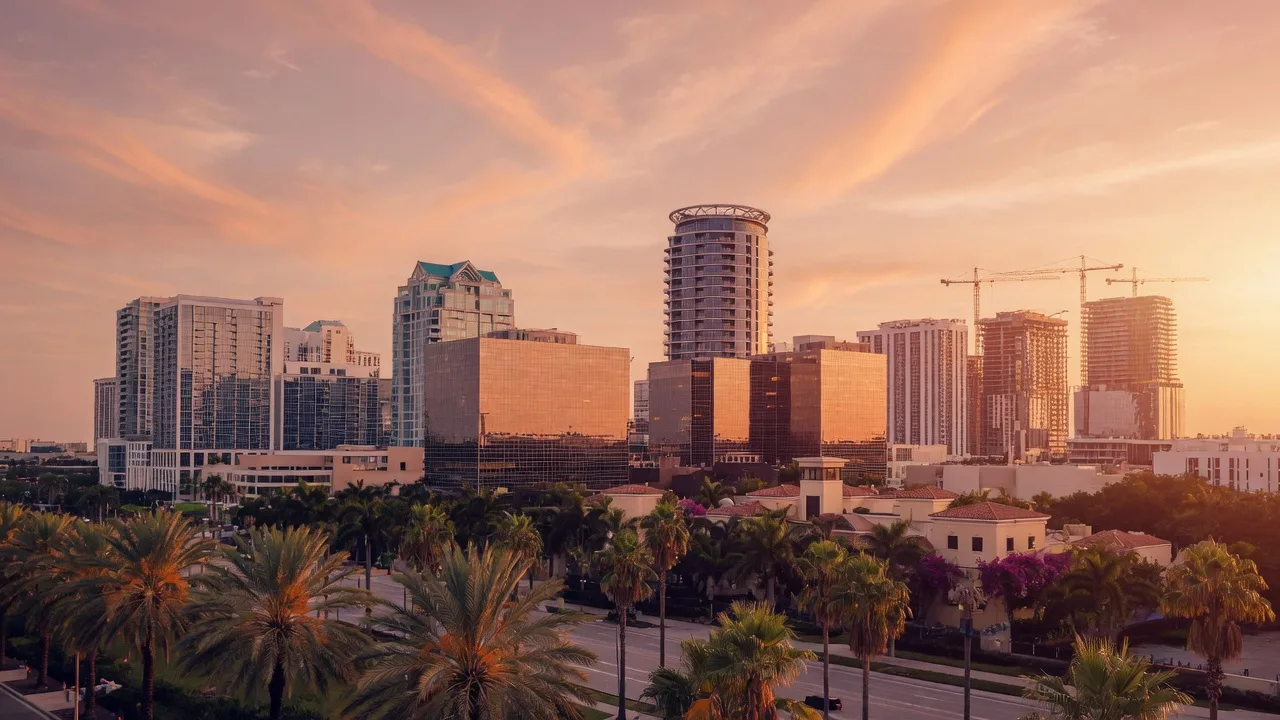
- Downtown Orlando is the urban core with high-rise condos, office buildings, the Amway Center, Camping World Stadium, and a growing residential population. The Church Street district and the new Creative Village development are reshaping the area.
- Thornton Park is a walkable neighborhood east of downtown along Lake Eola with brick streets, local restaurants, and a mix of historic and newer homes.
- Lake Eola Heights is a historic district east of Lake Eola with bungalows, craftsman homes, and tree-lined streets within walking distance of downtown.
- Baldwin Park is a large master-planned community built on the former Naval Training Center site. It has its own town center, parks, and a New Urbanist design with walkable streets.
- College Park is a neighborhood northwest of downtown with a small-town Main Street feel, independent restaurants, and older homes on larger lots.
- Audubon Park is a family-oriented neighborhood east of downtown, known for the Audubon Park Garden District and the East End Market.
- Mills 50 is a culturally diverse corridor along Mills Street and 50 ( Colonial Drive), known for Vietnamese restaurants, international groceries, and independent businesses.
Learn more about Downtown Orlando | Thornton Park | Baldwin Park
Housing in Orlando
Orlando's housing market is diverse. The urban core has condominiums and apartments, some in new high-rises near downtown. Older neighborhoods like College Park, Winter Park (adjacent), and the Conway area have single-family homes ranging from 1940s bungalows to 1990s and 2000s construction.
New construction within Orlando city limits is more limited than in surrounding suburban communities. New development tends to be focused on infill projects, townhome communities, and mixed-use developments near downtown and along major corridors.
Price points vary significantly by neighborhood. Downtown condos may range from the $200,000s to over $1 million. Single-family homes in established neighborhoods range widely depending on lot size, condition, and proximity to desirable amenities.
Transportation
Orlando is the transportation hub of Central Florida. I-4 runs through the heart of the city, connecting to Tampa (west) and Daytona Beach (east). SR 408, SR 417, and SR 429 provide toll road alternatives around and through the city.
LYNX operates the regional bus system with routes throughout Orange County. The SunRail commuter train runs from DeLand in the north to Poinciana in the south, with several stops in Orlando including a downtown station. SunRail primarily serves weekday commuters during peak hours.
Orlando International Airport (MCO) is located in the southeastern part of the city and is one of the busiest airports in the United States.
Daily Life
Living in Orlando means proximity to the region's major employers, medical centers, cultural institutions, and entertainment options. The city has a growing food and arts scene, with neighborhoods like Mills 50, the Milk District, SoDo, and Ivanhoe Village offering independent dining, galleries, and local businesses.
Orlando City SC (MLS soccer) and the Orlando Magic (NBA) provide major league sports. The Dr. Phillips Center for the Performing Arts hosts Broadway shows, concerts, and the Orlando Philharmonic. The Orlando Science Center, the Orlando Museum of Art, and the Harry P. Leu Gardens provide cultural and recreational options.
Lake Eola in downtown Orlando is a signature landmark, with a 0.9-mile walking path around the lake, paddle boat rentals, and regular events and festivals.
Schools
Orlando is served by Orange County Public Schools (OCPS), the eighth-largest school district in the nation. The district operates magnet programs, charter schools, and traditional schools. School assignments are address-based and can change. Always verify current zoning through the OCPS website for any specific address.
The region also has numerous private schools, including Bishop Moore Catholic School, The First Academy, and Trinity Preparatory School, among others.
Things to Consider Before Moving to Orlando
Traffic congestion
I-4 through downtown Orlando is one of the most congested highway segments in Florida. Factor commute patterns into your neighborhood research.
Mailing address vs. city limits
Many addresses that say "Orlando" on the envelope are actually in unincorporated Orange County, not within Orlando city limits. This affects taxes, services, and school assignments.
Flood zones
Parts of Orlando, particularly near lakes and low-lying areas, are in FEMA flood zones. Check flood zone designation for any property you are considering.
Nearby Communities to Explore
Frequently Asked Questions
What county is Orlando in?
Orlando is in Orange County, Florida, and serves as the county seat. The city anchors the broader Greater Orlando metropolitan area.
What is the average home price in Orlando?
Home prices in Orlando vary widely by neighborhood, home type, and condition, from downtown condos to multi-million-dollar lakefront and estate homes. Research the specific neighborhood for current pricing.
Does Orlando have new construction?
New construction inside Orlando city limits is limited compared with surrounding suburbs, with most new development focused on infill projects, townhomes, and mixed-use developments near downtown and along major corridors.
How far is Orlando from the airport?
Orlando International Airport (MCO) sits within the city's southeastern limits, so trips from downtown typically take about 15 to 25 minutes depending on traffic.
What schools serve Orlando?
Orange County Public Schools serves the city, with assignments varying by neighborhood and subject to change. Verify any address with the OCPS School Locator.
Last updated: August 11, 2026. Published by Moving to Orlando Guide with Tyler Gibson.